Myths that mislead in gambling uncovering the truth behind common misconceptions
Understanding the House Edge
One prevalent myth in gambling is that players can overcome the house edge through strategies or “secret tricks.” Many newcomers believe they can consistently win by simply playing smarter. However, the house edge is a statistical measure built into games to ensure that over time, the casino always profits. Understanding this concept is crucial as it reinforces that while strategies can enhance enjoyment, they cannot change the fundamental odds of a game. For those seeking an engaging experience, exploring instant withdrawal casinos may provide an added thrill with faster payouts.
For example, in games like roulette, each spin is independent, and the chances remain constant regardless of previous outcomes. If a player believes they can predict where the ball will land based on past results, they fall victim to the gambler’s fallacy—a common misconception that past events can influence future outcomes in a random game. Thus, players must accept that the house edge is an inherent part of gambling, designed to ensure the longevity of the casino rather than individual player success.
Additionally, while some games like poker involve skill and strategy, most casino games are based purely on chance. This means that no matter how much players study or practice, they cannot completely eliminate the house’s advantage. Understanding this helps set realistic expectations and promotes responsible gambling habits.
The Role of Luck versus Skill
Another widespread myth is that success in gambling is predominantly about luck. While luck does play a significant role, especially in games of chance like slots or roulette, skill becomes essential in strategic games like poker or blackjack. This misconception can lead players to overlook the importance of practice and understanding game mechanics, which can lead to better decision-making and ultimately more favorable outcomes.
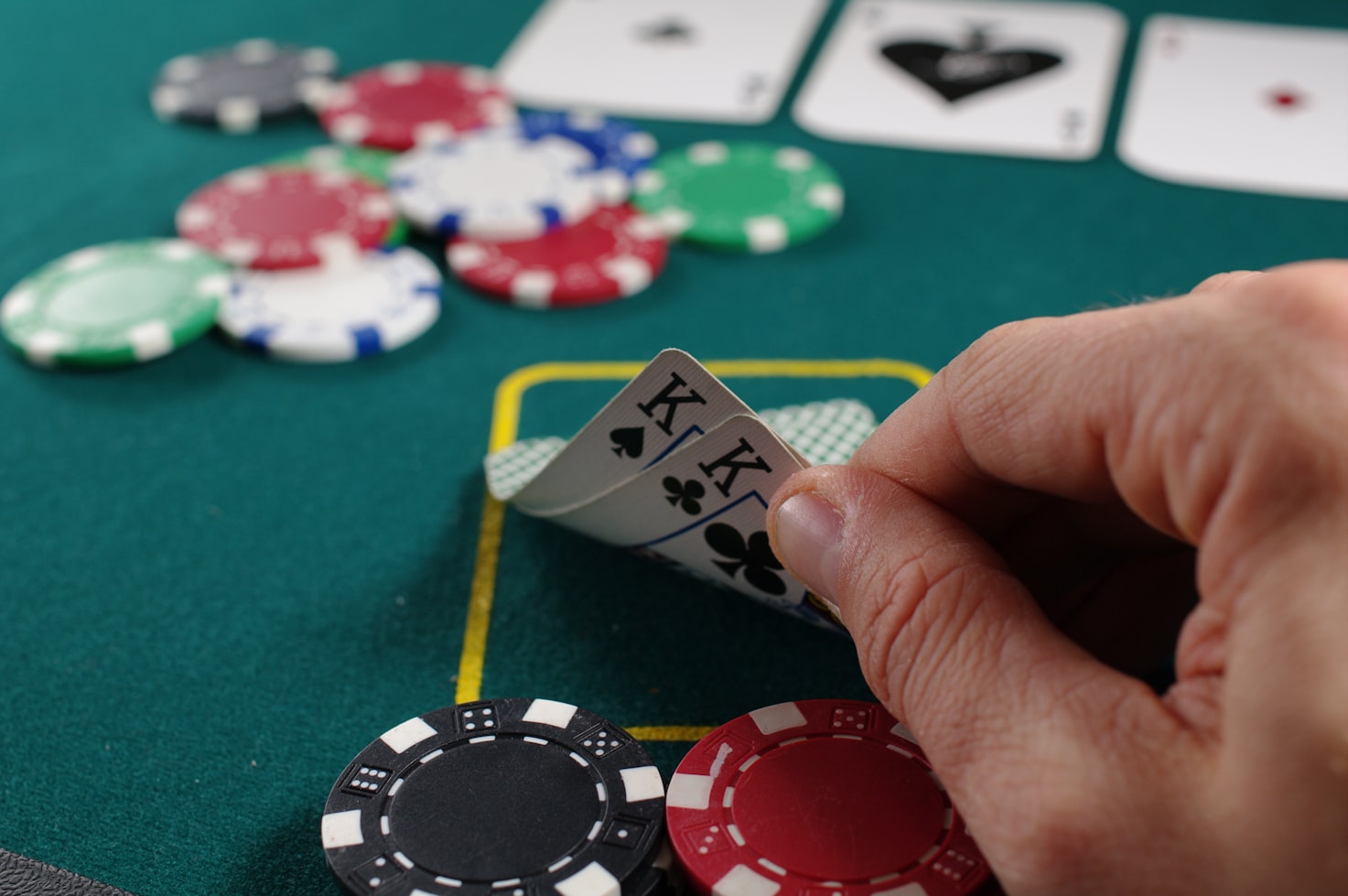
For instance, in poker, a player’s ability to read opponents and calculate odds can significantly impact their success. Novice players often underestimate the skill involved, thinking that anyone can win simply by getting lucky with their cards. This belief can lead to frustration when they fail to win consistently, as they might not recognize that skilled players often prevail over time. Thus, a balanced understanding of both luck and skill is critical for anyone serious about gambling.
Moreover, it’s essential to recognize that even the most skilled players will experience losses due to the element of chance. Understanding this duality helps players maintain a healthy perspective and can lead to more enjoyable gaming experiences, as they learn to appreciate the intricacies of the games they play rather than solely focusing on winning or losing.
Believing in “Hot” and “Cold” Machines
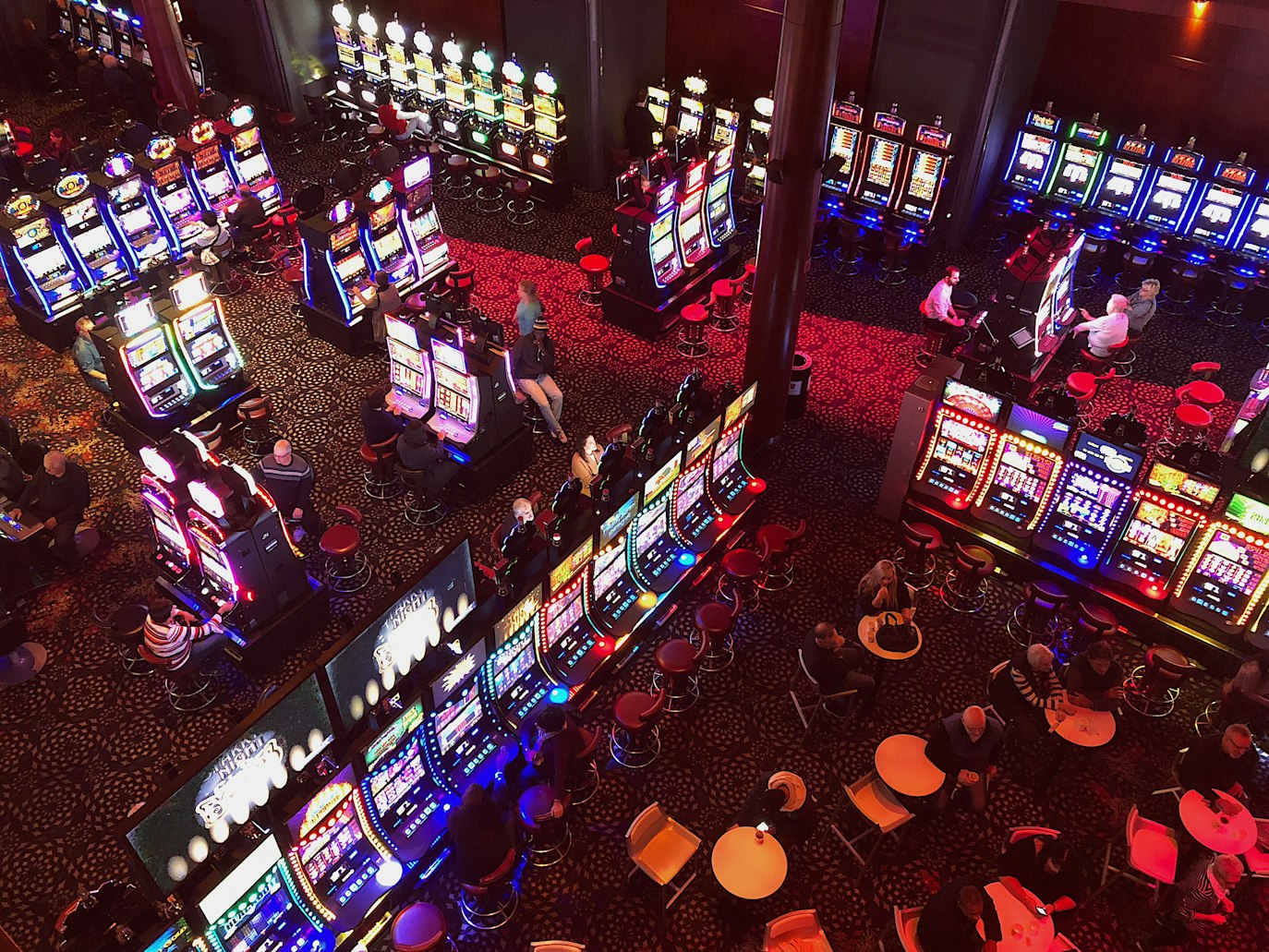
Many players believe in the myth that slot machines have “hot” and “cold” streaks, meaning some machines are due for a payout after a series of losses. This belief can significantly influence players’ choices, leading them to spend more time on certain machines they believe are “hot” or to avoid those they perceive as “cold.” In reality, every spin of a slot machine is random and independent of previous spins, which means there is no way to predict when a machine will pay out.
This misconception often arises from anecdotal evidence where players recall instances of winning after a long losing streak on a particular machine. While these stories can be compelling, they do not reflect the overall functioning of slot machines, which are programmed to provide random outcomes through complex algorithms. Understanding the randomness of these machines can help players avoid the pitfalls of selecting machines based on perceived patterns.
Furthermore, recognizing that all outcomes are random reinforces the idea that gambling should be viewed as entertainment rather than a reliable source of income. Players should be encouraged to play for fun rather than chasing after losses based on misconceptions about machine behavior, fostering a healthier approach to gaming.
The Illusion of Control
Another common myth is that players can somehow control the outcomes of games, particularly with strategies like betting progression systems. Players often believe that they can manage their bets in a way that guarantees profits over time. However, this misconception overlooks the inherent randomness of casino games and the established odds that govern them. No betting system can alter the fundamental probabilities that determine game results.
For instance, the Martingale betting strategy, which involves doubling the bet after every loss, can lead players to think they are sure to eventually win back their losses. However, this system can quickly lead to significant financial losses, especially if players encounter a losing streak. Realizing that such strategies cannot change the odds can protect players from making risky financial decisions based on the illusion of control.
Ultimately, recognizing that players have no real influence over the outcomes encourages a healthier gambling approach, allowing for enjoyment without the pressure to constantly recoup losses or engage in risky behaviors. Emphasizing responsible gambling habits can lead to a more positive experience in the long run.
The Importance of Trustworthy Sources
In the realm of gambling, many players rely on forums, blogs, and social media for information and advice. However, not all sources are trustworthy, which can perpetuate misconceptions. Misinformation can lead to poor decisions regarding game selection, bankroll management, and strategies. It’s crucial for players, especially beginners, to seek reliable resources that provide accurate information about gambling practices and the realities of casino games.
Players should prioritize reputable websites, official casino sites, or verified reviews when looking for information. Engaging with experienced players and understanding the odds and rules of games can provide a solid foundation for responsible gambling. This emphasizes the importance of doing thorough research and not relying solely on anecdotal experiences or unfounded claims.
By empowering themselves with knowledge, players can make more informed choices, ultimately enhancing their gaming experiences. This understanding can help dispel many of the myths surrounding gambling, enabling players to enjoy a safer and more rewarding journey through the world of casinos.
Final Thoughts on Gambling Myths
In conclusion, understanding the common myths surrounding gambling is crucial for fostering a responsible and enjoyable gaming experience. By debunking misconceptions about the house edge, luck versus skill, and machine behavior, players can approach gambling with a more informed perspective. This leads to healthier attitudes towards gaming, allowing individuals to enjoy the entertainment value without falling prey to common pitfalls.
Moreover, the importance of seeking reliable information cannot be overstated. With so many sources available, players must discern which provide sound advice and which perpetuate misleading narratives. By prioritizing trustworthy resources, players can empower themselves with knowledge, enabling more prudent choices in their gambling endeavors.